Digital Currency Markets
by Admin
Posted on 21-12-2024 05:14 PM
History of Digital Currencies
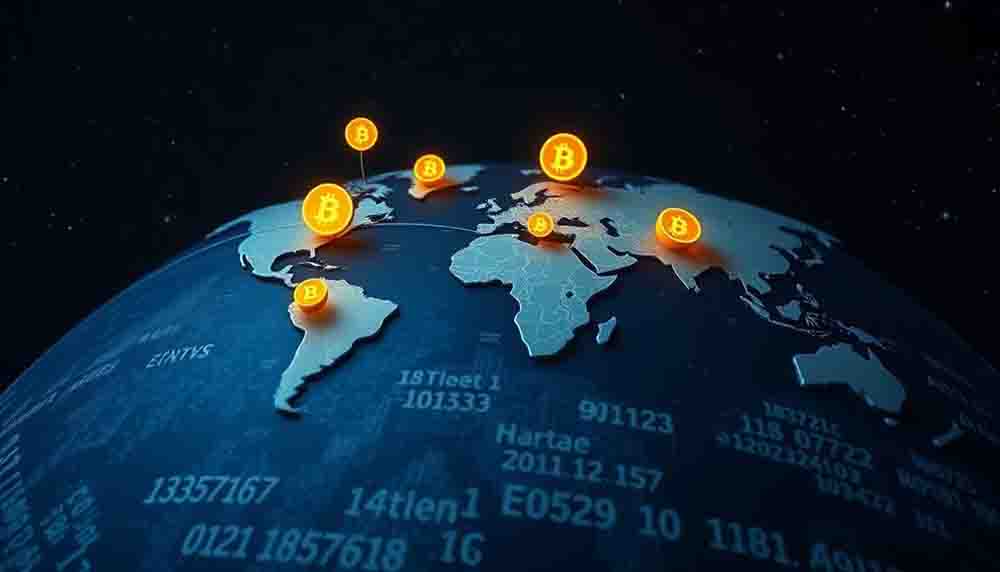
The concept of digital currencies dates back to the 1980s, when computer scientists and cryptographers began exploring the idea of creating a secure and decentralized form of currency. However, it wasn't until the launch of Bitcoin in 2009 that digital currencies started to gain mainstream attention. Bitcoin was created by an anonymous individual or group using the pseudonym Satoshi Nakamoto, and it was designed to be a peer-to-peer electronic cash system. The success of Bitcoin led to the creation of other digital currencies, such as Ethereum and Litecoin, which have become popular alternatives to traditional fiat currencies.
Current Trends in Digital Currency Markets
The digital currency market is constantly evolving, with new trends and developments emerging all the time. One of the current trends is the growing adoption of digital currencies by mainstream investors and financial institutions. Many traditional investors are now turning to digital currencies as a way to diversify their portfolios and potentially earn high returns. Another trend is the increasing use of digital currencies for everyday transactions, such as buying goods and services online. The use of digital currencies for cross-border payments is also becoming more popular, as it allows for faster and cheaper transactions compared to traditional payment systems.
Types of Digital Currencies
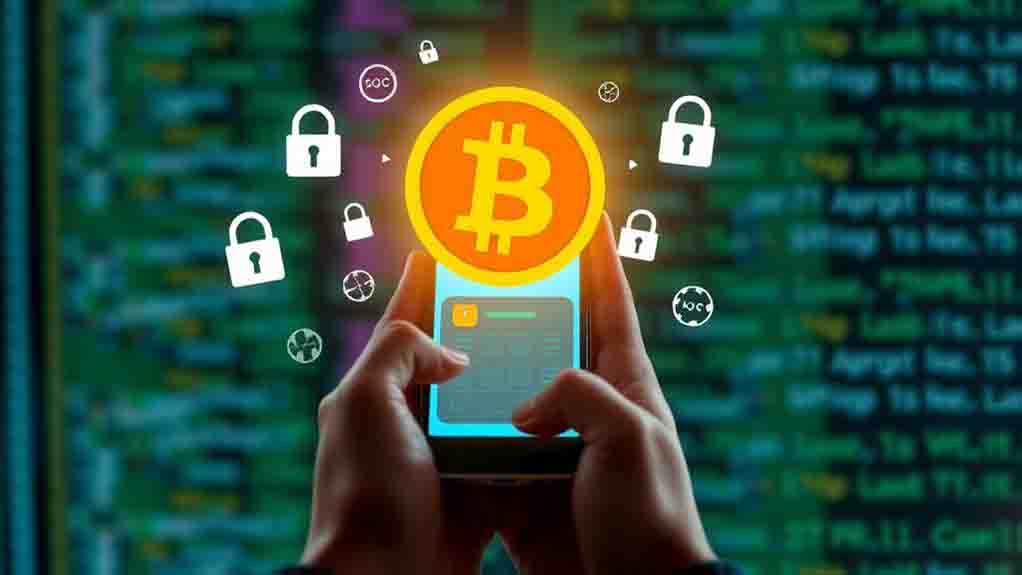
There are many different types of digital currencies, each with its own unique characteristics and features. Some of the most popular digital currencies include:
Bitcoin
Bitcoin is the largest and most well-known digital currency, with a market capitalization of over $100 billion. It is a decentralized currency that uses a peer-to-peer network to facilitate transactions.
Ethereum
Ethereum is the second-largest digital currency, with a market capitalization of over $50 billion. It is a decentralized platform that allows for the creation of smart contracts and decentralized applications.
Altcoins
Altcoins are alternative digital currencies that are not Bitcoin or Ethereum. They often have unique features and uses, and can be bought and sold on cryptocurrency exchanges.
Trading Digital Currencies
Trading digital currencies can be a lucrative way to earn profits, but it can also be highly risky. The digital currency market is known for its volatility, with prices fluctuating rapidly and unpredictably. To be successful in trading digital currencies, it's essential to have a solid understanding of the market and its trends. This includes staying up-to-date with news and developments, as well as using technical analysis tools to predict price movements. It's also important to have a trading strategy in place, such as setting stop-loss orders and diversifying your portfolio.
Risks and Challenges
The digital currency market is not without its risks and challenges. One of the main risks is the potential for market volatility, which can result in significant losses if not managed properly. Another risk is the lack of regulation, which can make it difficult to protect investors from fraud and other forms of exploitation. The digital currency market is also vulnerable to cyber attacks, which can result in the theft of funds and other sensitive information.
Regulation and Security
Regulation and security are critical issues in the digital currency market. Many governments and financial institutions are still grappling with how to regulate digital currencies, which can make it difficult to protect investors and consumers. However, there are steps being taken to improve regulation and security, such as the implementation of anti-money laundering (AML) and know-your-customer (KYC) laws. Additionally, many digital currency exchanges and wallet providers are taking steps to improve security, such as implementing two-factor authentication and cold storage.
Future Prospects
The future prospects for digital currency markets are exciting and uncertain. Many experts predict that digital currencies will continue to grow in popularity and adoption, with some even predicting that they will eventually replace traditional fiat currencies. However, there are also challenges and risks that need to be addressed, such as regulation and security. As the digital currency market continues to evolve, it's likely that we will see new trends and developments emerge, such as the use of blockchain technology for non-currency applications.
Introduction to Cryptocurrency
With the rise of technology, the world has seen a significant shift towards digital payments and transactions. The use of digital coins has become increasingly popular, offering a convenient and secure way to make transactions online. As more businesses and individuals begin to adopt this new form of currency, it's essential to understand the benefits and risks associated with it.
Conclusion
In conclusion, the digital currency market is a complex and rapidly evolving space that offers many opportunities for investment and innovation. While there are risks and challenges associated with digital currencies, there are also many potential benefits, such as increased financial inclusion and efficiency. As the market continues to grow and mature, it's likely that we will see new trends and developments emerge, such as the use of blockchain technology for non-currency applications.
FAQs
What is a digital currency?
A digital currency is a type of currency that exists only in digital form and is not physical.
How do I buy digital currencies?
You can buy digital currencies on online exchanges, such as Coinbase or Binance.
What is the difference between Bitcoin and Ethereum?
Bitcoin is a decentralized currency, while Ethereum is a decentralized platform that allows for the creation of smart contracts and decentralized applications.
Are digital currencies secure?
Digital currencies can be secure if you take the right precautions, such as using two-factor authentication and storing your funds in a secure wallet.
Can I use digital currencies to buy everyday items?
Yes, many online retailers and some physical stores accept digital currencies as a form of payment.
How do I store my digital currencies safely?
You can store your digital currencies safely by using a hardware wallet or a secure online wallet, and by keeping your private keys and passwords secure.